The Nature of Ayahuasca
An educational film examining ayahuasca's cultural roots, healing potential, and ethical considerations.
Watch Now →
Across science, culture, and personal inquiry, ayahuasca is entering a wider conversation. Researchers are studying its effects. Journalists are asking deeper questions. Filmmakers and storytellers are exploring the human experiences around it.
This collection brings together thoughtful media, research, and long-form conversations from across disciplines. Not to persuade or promote, but to offer context, multiple perspectives, and a clearer view of how this work is being understood in the world today.
An educational film examining ayahuasca's cultural roots, healing potential, and ethical considerations.
Watch Now →
A documentary film about one woman's incredible life journey and overcoming childhood trauma through a relationship with Ayahuasca and plant medicine.
Watch Now →
What happens when we confront our deepest wounds? In this compelling conversation, Dr. Gabor Maté shares a deeply personal breakthrough during an ayahuasca retreat in the Amazon.
Watch Now →
An exploration of the science and mystery of DMT — the primary psychoactive compound in ayahuasca — through clinical research and personal experience.
Watch Now →
A widely viewed documentary following Western seekers into Amazonian ayahuasca traditions, blending ceremony, psychology, and Indigenous wisdom.
Watch Now →
An intimate look at healing and transformation through ayahuasca, centered on personal journeys and emotional integration.
Watch Now →
A grassroots documentary sharing first-hand stories of healing and self-discovery through plant medicine experiences.
Watch Now →
A documentary following participants through traditional Amazonian ceremonies, highlighting ritual, challenge, and personal insight.
Watch Now →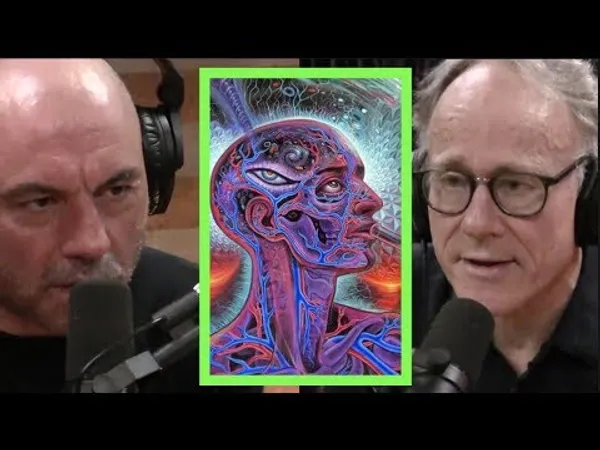
Ayahuasca is Amazonian Science.
Watch Now →
Podcast
Aaron Rodgers shares his experience with Ayahuasca. How did this experience contribute to Aaron Rodgers's life? What lessons did Aaron Rodgers learn?
Watch Now →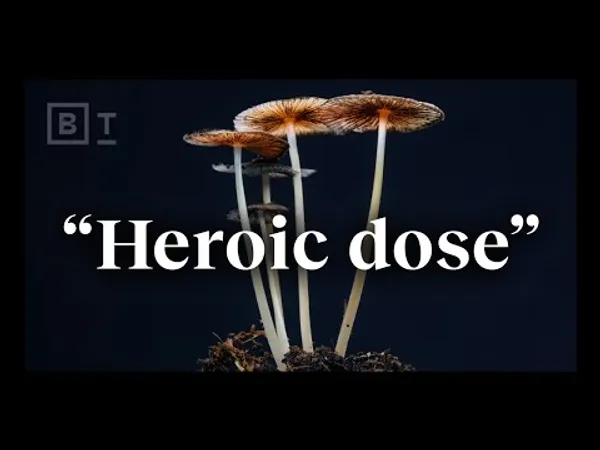
Podcast
How a 'heroic dose' of psychedelics can be therapeutic, explained by a Johns Hopkins professor.
Watch Now →
Research Paper
A systematic review published in 2024 (Sheth et al.) examined clinical and observational studies of ayahuasca across different psychological disorders. They found evidence for rapid antidepressant effects, reductions in suicidal ideation, and improvements in depression symptoms.
Read →
Research Paper
A systematic review included 66 studies and concluded ayahuasca "may have beneficial effects" on depression, anxiety, neurobiological health, and some physical processes.
Read →
Research Paper
A systematic review and meta-analysis looked at four psychedelic-assisted therapies: psilocybin, LSD, MDMA, and ayahuasca. This meta-analysis found these therapies were generally well tolerated, and showed large effect sizes for reducing depressive symptoms.
Read →
Research Paper
A preprint (2024) did a meta-analysis of hallucinogen RCTs (including ayahuasca), concluding that ayahuasca reduced depressive symptoms in people with treatment-resistant depression or personality disorders.
Read →
Research Paper
A study followed clinically depressed patients (n = 20) who participated in an ayahuasca ceremony and measured them at baseline, 1 month, and 1 year afterward. They found sustained reductions in depression, increased mindfulness, and life satisfaction.
Read →
Research Paper
A "naturalistic longitudinal" study of 53 retreat attendees found significant reductions one month after ayahuasca in depression, anxiety, stress, and substance use (alcohol, cannabis).
Read →
Research Paper
Beyond symptom reduction, this study reported increases in positive mood, self-efficacy, openness, spirituality, "authentic living," and satisfaction in relationships.
Read →
Research Paper
An integrative review summarized clinical studies and found rapid and sustained antidepressant effects, including in people with recurrent depression, as well as potential reduction in suicidal risk.
Read →
Research Paper
Broader reviews suggest classic psychedelics (including DMT) may induce rapid changes in brain connectivity, synaptic function, and neuroplasticity. A late-2024 preprint explores these mechanisms in preclinical and clinical models.
Read →
Research Paper
The 2024 review also discusses possible biological mechanisms: increases in BDNF (a neuroplasticity marker), anti-inflammatory effects, and modulation of stress-related neurobiology.
Read →